
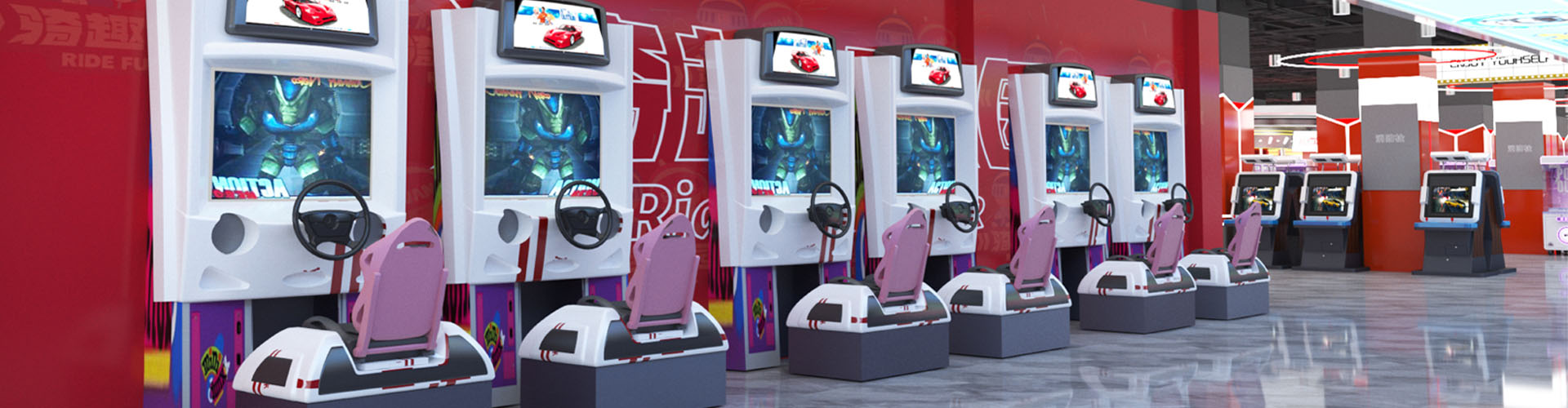
To achieve the best performance and player satisfaction, it is important to install and set up commercial arcade machines in an appropriate manner. Whether installing machines in an arcade, family entertainment centre, shopping mall, bar, or amusement park, proper installation techniques can reduce downtime, maintenance costs, and safety hazards.
Operators should assess their site to identify the amount of floor area, ceiling height, traffic flow, and structural weight that the machines will require for installation. There are many different types of commercial arcade machines, and their size and weight can vary significantly from one machine to another (e.g., racing cabinets, multi-player machines, or motion-based units).
Each commercial arcade machine requires adequate space around its perimeter to ensure the player has sufficient comfort when playing; therefore, pathways to and around machines must not obstruct emergency escape routes or pedestrian flow. Before setting up the machines, operators should plan the layout of the machines and how to create maximum revenues per square foot; however, it is equally important to ensure that players will have an enjoyable experience in a safe environment.
A large number of electronic machines are improperly installed and, as a result, they fail to operate or perform successfully for players. Each type of commercial arcade machine needs an appropriate electrical supply – this includes a stable voltage supply, a dedicated circuit, and a properly grounded machine.
Before the installation of each arcade game machine, review and confirm the electronic specifications for that machine to verify that your electrical supply is compatible with the machine, including the voltage, frequency, and amp ratings. Install all electronic machines with surge protectors and power conditioners to prevent the machine’s sensitive electronic components from damage caused by power surges.
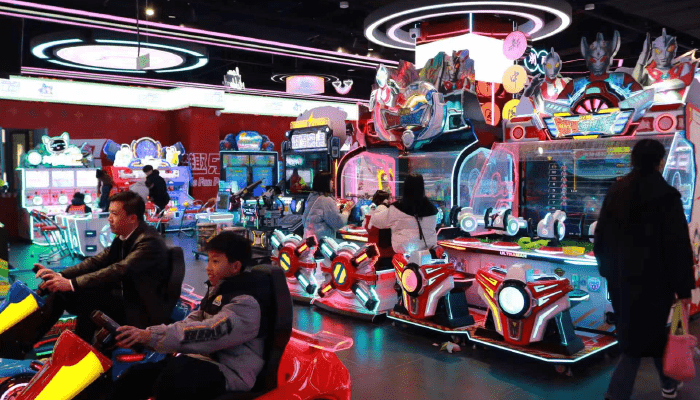
A solid and level base is critical to the reliability and longevity of arcade machines. Anything less than a level playing field, or uneven surface, can create excess vibrations, may cause cabinets to become misaligned, or cause excessive wear of internal components. Leveling feet or pads should be used to ensure all machines have level feet.
Heavier or motion-based machines may require the use of reinforced flooring or anchoring to keep the machine from moving while in operation. A horizontally placed machine provides a more comfortable experience for players and ensures the most accurate response, especially in games that require precise control.
When assembling machines, refer to the manufacturer’s installation manual and ensure all bolts, fasteners, and connectors have been adequately tightened and that all moving parts have been checked for smooth operation. Inspect all wiring to ensure that connections are secure and properly routed to eliminate pinching or abrasions.
Before energizing the machine, you should conduct a visual inspection to verify that no components were damaged during shipping and all shipping protective materials have been removed.
After hardware installation has been completed, configure the software settings to meet operational needs, e.g., set the language, pricing options, credit options, difficulty options, and network connectivity requirements.
A comprehensive test of machine operations should be conducted before opening to the public. All inputs, outputs, sound systems, controls, sensors, and payment systems should be tested using extended test runs to identify any potential problems and verify that machines maintain stable operation when used continuously.
Professional setup and installation are the cornerstone for the successful operation of any commercial arcade. By carefully planning the venue, ensuring appropriate electrical and structural conditions, following precise assembly procedures, and conducting comprehensive tests, operators can maximize the reliability, safety, and player satisfaction of the game machines.