
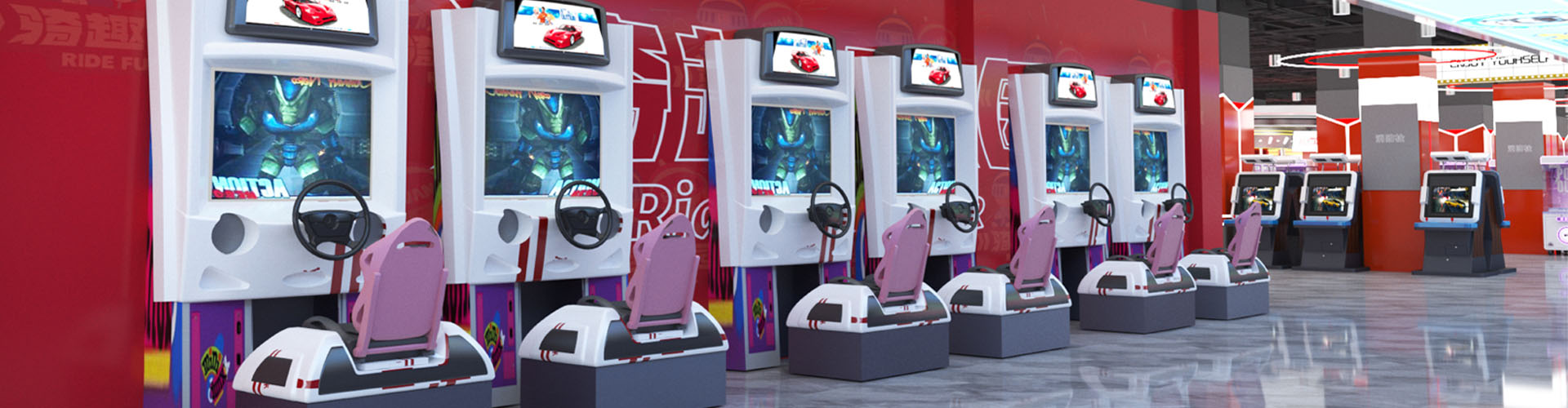
The enduring appeal of the baseball arcade machine stems from its unique ability to translate the physical tension of the diamond into a condensed, indoor environment. While the sport itself relies on vast fields and hours of patience, the arcade version distills these elements into a test of pure reflex and hand-eye coordination. This evolution from mechanical novelties to sophisticated electronic simulators reflects broader shifts in how we consume and interact with competitive entertainment.
At its core, a baseball arcade machine is a specialized redemption or sports simulator designed to replicate the pitcher-batter duel through precise mechanical or digital interfaces. The fundamental appeal lies in the timing, where a player must anticipate a projectile’s trajectory to achieve a successful “hit.”
Modern machines are categorized by their delivery systems, which determine the tactile feedback and the level of skill required from the user. Mechanical lever systems, often found in vintage or retro-style cabinets, use a spring-loaded arm to propel a physical ball toward a set of targets. These units rely on gravity and kinetic energy, offering a predictable but satisfying physical loop that emphasizes mechanical durability over complex software.
Electronic simulators, conversely, utilize high-speed optical sensors and digital displays to track player movement or the impact of a physical bat against a stationary target. These systems allow for varied difficulty levels and statistical tracking, making them ideal for competitive environments where data and high scores drive repeat play.
| Feature | Mechanical Pitcher | Digital Simulator |
|---|---|---|
| Interaction | Physical Lever/Button | Bat/Sensor Interface |
| Accuracy | Fixed Trajectory | Dynamic Speed Adjustment |
| Maintenance | High (Moving Parts) | Low (Software-driven) |
| Player Goal | Target Hitting | Simulated Home Runs |
Selecting the appropriate baseball arcade machine requires an understanding of the specific demographics and the intended flow of the amusement space. High-traffic family entertainment centers often prioritize durability and redemption features, where successful hits translate into tickets or prizes. In these scenarios, the machine acts as an “anchor” attraction that encourages group participation and spectatorship.
Boutique arcades or sports-themed venues may instead opt for high-fidelity simulators that focus on the “feel” of the swing. These machines often feature larger footprints and immersive soundscapes to recreate the stadium atmosphere, serving as a premium experience rather than a quick ticket-earner.
Because a baseball arcade machine involves repeated physical force—either from a bat hitting a ball or a player slamming a button—the chassis must be engineered with industrial-grade materials. The durability of the solenoid in mechanical models and the calibration of the infrared sensors in digital models are the two most critical failure points. Consistent performance is non-negotiable for maintaining the “fair play” perception that keeps players engaged.
Successful operators implement a weekly diagnostic check to ensure that the timing between the pitch and the hit detection remains within a millisecond threshold. A slight lag in a baseball arcade machine can ruin the immersion, leading to player frustration and decreased revenue.
What is the average footprint required for a professional-grade unit?
Most units require a minimum of 1.5 to 2.5 square meters, though simulators with full-swing areas require significantly more safety clearance for the bat’s radius.
How does the software handle ticket payout logic?
Redemption-based models use a variable ratio that rewards consecutive hits, increasing the payout as the “inning” progresses to encourage longer play sessions.
Are these machines weather-resistant for outdoor installation?
Generally, no. The precision sensors and high-voltage power supplies require a climate-controlled environment to prevent moisture buildup and component corrosion.
The baseball arcade machine continues to thrive because it bridges the gap between traditional sports and modern interactive media. By focusing on the physics of the game rather than just the branding, manufacturers like Muchfun ensure that the equipment provides a reliable ROI through consistent mechanical integrity and engaging gameplay loops. As the industry moves toward more integrated digital ecosystems, the fundamental joy of timing a perfect hit remains the central pillar of the arcade experience.
“baseball arcade machine” enthusiasts often look for units that provide the most authentic feedback, and understanding the nuances of these machines is the first step toward building a successful amusement portfolio.