
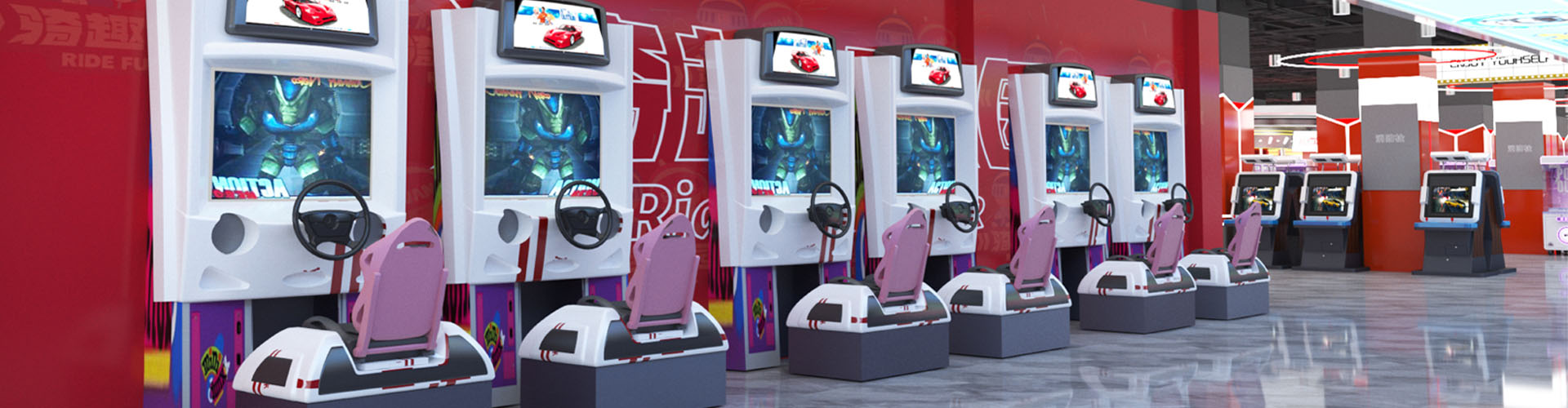
The dimensions of an arcade machine significantly affect how spaces such as game rooms, arcades, and entertainment centres are designed and laid out, whether they are intended for home use or for large entertainment venues. The physical dimensions of each arcade machine are critical factors to consider when designing an efficient floor plan, organizing the flow of customers within an establishment, and providing the best overall experience to users.
Most standard upright arcade machines are typically about 24 to 40 inches in width, 30 to 40 inches in depth, and 65 to 75 inches in height. These dimensions are typical of classic arcade cabinets, single or two player, depending on the game. However, not all arcade machines are made to the same dimensions. For example, cocktail table arcade machines, sit-down racing simulators, motion arcade games, and large deluxe immersive arcade machines require significantly larger footprints.
For example, in comparison to standard cabinet dimensions, racing simulators will typically require a 6-foot-plus length due to the seat, pedals, and steering system being integrated into the machine itself. As a result, there is no such thing as one “standard size” for designing a layout of arcade machines.
Apart from the floor space occupied by the arcade machine itself, when determining its placement, the surrounding reserved space (i.e., the clear distance) of the machine must also be taken into consideration to ensure that players can operate safely. In commercial operation areas, this spatial interval is particularly important, especially at the positions where players enter and exit or interact with the machine.
The purpose of setting up a buffer zone is to provide sufficient space, thereby ensuring smooth personnel flow, alleviating congestion, and facilitating the daily maintenance and repair of the machine. If the buffer space is overly compressed, it may reduce the comfort level of the players and make the overall environment appear more cramped and crowded. A reasonable layout of the space can also ensure that players of different age groups and with varying physical abilities can use these arcade devices more conveniently.
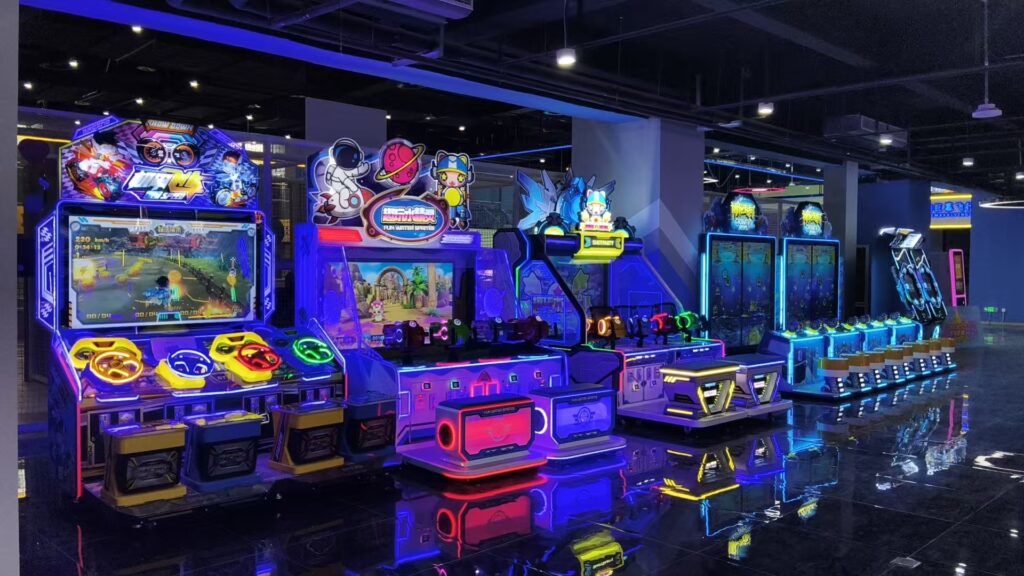
Machine dimensions are a key element in the design or layout strategy of arcades in commercial settings. In these locations, machines are typically arranged in one of three different arrangements: rows, clusters, or themed zones. When multiple machines with wide cabinets are placed in close proximity to each other, they can become bottlenecks, while poorly laid out floors can disrupt the natural flow of traffic through the facility.
Effective spacing of machines will help to guide players through the venue smoothly, thereby increasing player engagement and extending guest stay time. For example, machines that typically generate high volumes of traffic or are visually appealing are placed in higher-traffic, open areas; narrow, less engaging machines are usually positioned along walls. Proper floor plan design will ensure that customers are naturally exposed to as many different types of games as possible, which will ultimately produce increased revenue potential.
Height is another factor that is commonly overlooked in the planning of an arcade. Tall machines can obstruct lines of sight across an arcade, causing the arcade to appear smaller or more crowded than it is. To create the feeling of continued visual openness within the arcade, tall cabinets are typically placed along the perimeter or in corners.
To maintain a balanced height throughout the arcade, create a warm and inviting atmosphere for your customers. Also, by maintaining a balanced height throughout the arcade, employees will have a better opportunity to supervise the area and therefore provide a safer and more effectively controlled operational environment.
In addition to the design or layout considerations, machine dimensions will also impact the installation logistics of the machine. The width of doorways, height of ceilings, and accessibility via stairs must be taken into consideration prior to delivery of machines to an arcade. Machines with larger than normal dimensions may require the partial disassembly of the machine or special equipment to move.
The size of the machine will also influence the power access and infrastructure of the machine. Larger cabinets will require a larger power supply and generate more heat, making it very important to have a good cable management system and a detailed plan for airflow in order to ensure long-term reliability of the machine.
Arcade machine dimensions are the foundation of design and function in arcade planning. Regardless of whether the arcade is commercial or residential, a proper understanding of machine size, machine clearance, and machine spatial interaction will create an arcade that is efficient, comfortable, and enjoyable for players.