
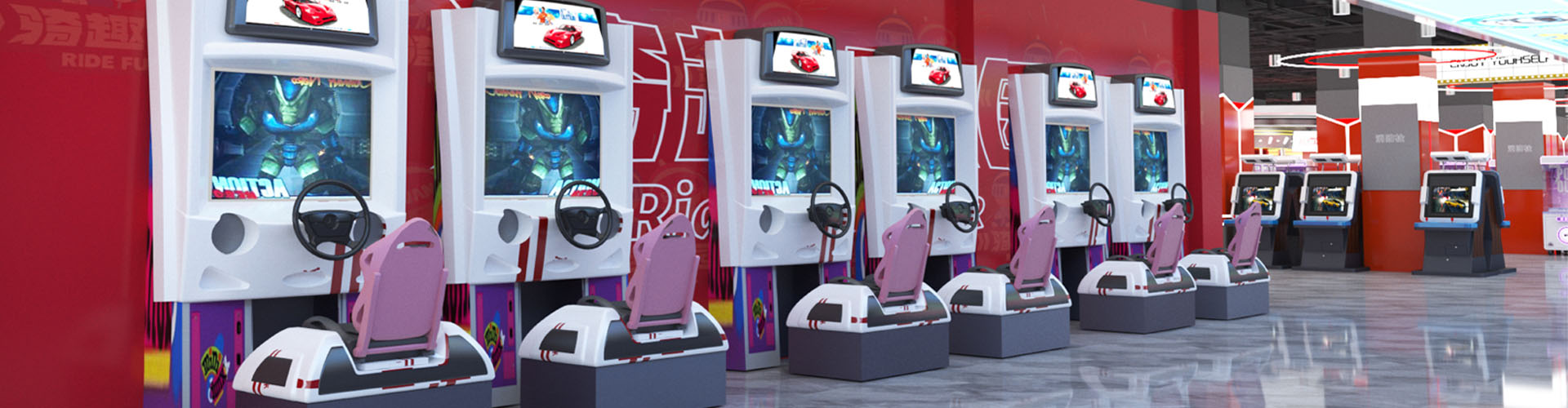
The neon glow of a commercial game room has changed its shape over the decades, moving from standing crowds to a more deliberate, immersed posture. At the center of this evolution is the classic sit-down arcade machine—a cabinet configuration that honors player comfort while demanding high engagement.
Unlike the traditional upright structures that forced players to stand on concrete floors, these low-profile systems invite a deeper relationship with the screen. Operators who watch foot traffic closely know that physical exhaustion is the enemy of coin drop. By lowering the center of gravity and providing dedicated seating, these units fundamentally alter how time is spent inside an amusement venue, turning brief curiosity into extended, revenue-generating play sessions.
Step into a professional gaming center, and the structural intelligence of a premium sit-down arcade machine becomes instantly obvious. Standard upright cabinets rely on a universal height compromise, which often causes neck strain or shoulder fatigue during long sessions. In contrast, a well-engineered sit-down model aligns the player’s eyes naturally with the horizon of the monitor. The screen is tilted back at an exact angle, usually between fifteen and twenty degrees, reducing glare from overhead venue lighting.
This layout mimics the cockpit of a high-performance vehicle, placing the fight stick and buttons exactly where the hands drop naturally. For us, achieving this ergonomic harmony requires deep study of human proportions. When a cabinet matches the natural resting angle of the human spine, players do not just feel comfortable; they enter a state of focused immersion. The physical cabinet ceases to be a barrier, allowing the player to react purely to the software. This design philosophy is particularly critical for competitive fighting games and intricate tactical shooters, where a single millimeter of hand placement determines victory.
Peeling back the wooden or metal skin of a modern sit-down arcade machine reveals an intricate ecosystem where industrial-grade hardware meets specialized software execution. Unlike consumer electronics, these systems run continuously for twelve to fourteen hours a day under harsh conditions. The heart of the machine is its display technology. While vintage purists still hunt for heavy cathode-ray tube (CRT) monitors to get zero-latency analog scanning, modern commercial units utilize low-latency, industrial IPS liquid-crystal displays. These screens are selected specifically for their wide viewing angles, ensuring that spectators standing behind the seated player see vibrant colors instead of washed-out images.
Beneath the monitor plate lies the processing unit, which usually adheres to the classic JAMMA wiring standard or utilizes a robust, modern PC-based architecture. Heavy-duty copper wiring harnesses route every microswitch signal through clean, isolated channels to prevent ghost inputs. For us, internal stability is non-negotiable, which is why our software engineers and hardware experts build control loops that handle millions of rapid button presses without lag. Every power supply unit must have over-voltage protection, and cooling fans are positioned to create a reliable thermodynamic cycle, keeping the internal processors cool even during hot summer months in busy malls.
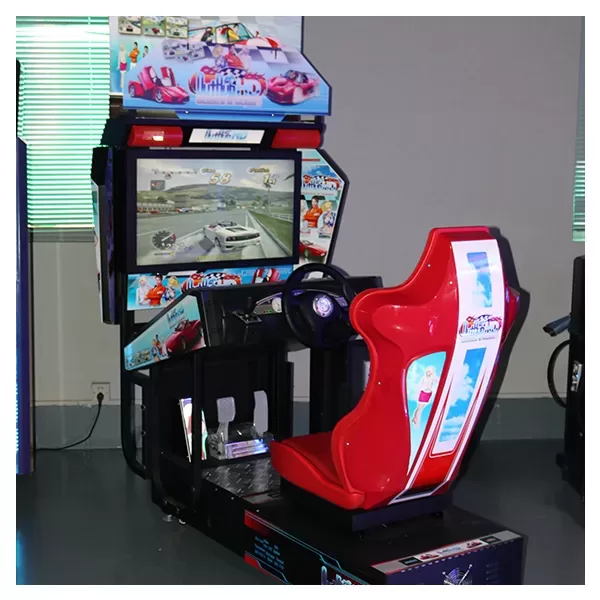
The modern landscape splits the sit-down arcade machine market into two distinct categories: heavy-duty commercial equipment and compact residential units. Commercial models are built like tanks. They feature reinforced steel framing, high-security coin mechanisms, smart card readers, and scratch-resistant tempered glass over the display. These components must withstand intense daily use from hundreds of strangers. For investors looking to build a highly profitable amusement business, these commercial units are strategic revenue generators designed to maximize returns.
On the other side of the spectrum, residential models focus on space optimization and aesthetics, often integrating thousands of classic retro games into a single plug-and-play system that fits beautifully into a home basement or private office. Regardless of the destination, the underlying build quality cannot be compromised. Finding a supplier that handles everything from initial venue planning to reliable technical support is rare.
We quietly stand out in this competitive industry by controlling the entire lifecycle of our products, testing every single cabinet in our own directly operated game centers before it ever leaves the production floor. By bridging the gap between rigorous industrial durability and affordable factory-direct pricing, we ensure your investment remains highly profitable. Whether you are expanding a global amusement chain or selecting a focal piece for a premium entertainment space, a precision-engineered sit-down arcade machine remains the ultimate symbol of interactive entertainment.