
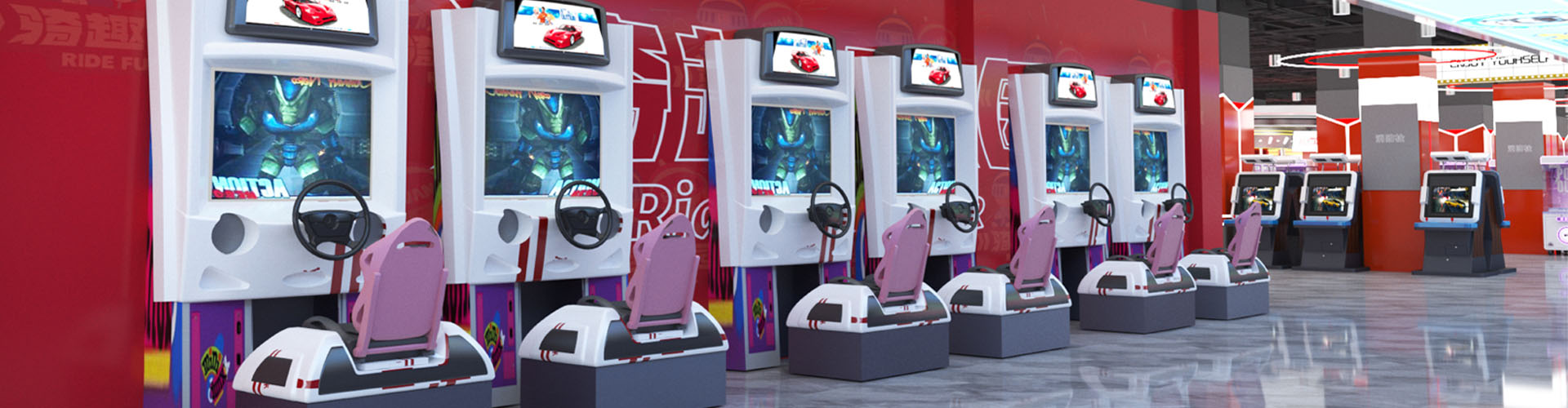
A kids arcade machine sits at the center of most family entertainment centers, yet many buyers still pick the wrong unit for their space. The mistake usually isn’t about budget—it’s about mismatched expectations between what a machine promises and what a location actually needs. This guide answers the questions operators ask most before placing an order.
The term covers a broad category, not a single product. Racing simulators, mini basketball hoops, air hockey tables, and claw machines all qualify, provided the cabinet size and difficulty level suit younger players. A machine built for teenagers often fails with a six-year-old simply because the reach, weight, or reaction speed required doesn’t match.
Manufacturers typically adjust three things for younger audiences: seat or standing height, button sensitivity, and game pacing. A basketball arcade machine with a lowered rim height, for instance, changes completion rates dramatically for shorter players.
Pricing varies widely by machine type, region, and whether you’re buying direct from a manufacturer or through a distributor. Basic redemption machines often sit at the lower end, while simulator cabinets with motion seats or screens cost more due to added hardware. Because pricing shifts with materials, shipping routes, and current component costs, always confirm current quotes with the supplier rather than relying on older listings.
A rough way to think about cost drivers:
Most early failures trace back to two things: component quality and testing before sale. A control board rated for casual home use won’t survive eight hours a day of repeated coin drops and button mashing in a commercial venue. This is why untested prototypes tend to fail within months rather than years.
Operators should ask suppliers a direct question—has this specific model been run in a live commercial setting before release? Machines tested in operating game centers, not just labs, tend to reveal wiring or software issues that only show up under real foot traffic.
Games with short session lengths and clear visual feedback perform best with children. Ticket redemption games, simple racing loops, and claw machines with adjustable claw strength all keep attention without requiring adult-level hand-eye coordination.
| Game Type | Typical Session Length | Skill Dependency |
|---|---|---|
| Claw Machine | 30–60 seconds | Low to Medium |
| Racing Simulator | 1–2 minutes | Medium |
| Air Hockey | 2–4 minutes | Medium |
| Ticket Redemption | 30–90 seconds | Low |
Shorter sessions also mean higher machine turnover during busy hours, which matters for venues charging per play.
Ticket redemption machines reward consistent small wins, which keeps children engaged over repeated visits. Prize machines, like claw units, offer instant gratification but can frustrate younger players if the win rate is set too low.
The right choice depends on the venue’s business model. A family center focused on repeat visits benefits more from redemption systems, since children accumulate tickets toward prizes over time. A mall kiosk with high foot traffic and low return-visit expectation might favor instant-prize machines instead.
At minimum, a warranty should cover the control board, motors, and any custom software installed on the machine—these are the components most likely to fail under heavy use. Anything less leaves buyers exposed to repair costs within the first year of operation.
It’s worth asking suppliers whether after-sales support includes remote troubleshooting or only physical part replacement, since shipping delays for parts can leave a machine idle for weeks. For us, warranty coverage typically extends to one year on parts, alongside long-term access to spare components and technical guidance.
Does a kids arcade machine need special electrical requirements?
Most units run on standard commercial voltage, but confirm plug type and voltage compatibility for your specific country before shipping, since this varies by region.
Can machines be customized with different graphics or branding?
Yes—cabinet wraps, sticker designs, and screen graphics are commonly adjusted per client without altering the internal game logic.
How long does a typical unit last with daily commercial use?
This depends heavily on maintenance and component quality, so ask for real operating data from the manufacturer rather than estimated lifespans alone.
Choosing the right kids arcade machine comes down to matching game type, durability, and warranty terms to how the venue actually operates day to day—not just picking the most visually appealing cabinet on a showroom floor.