
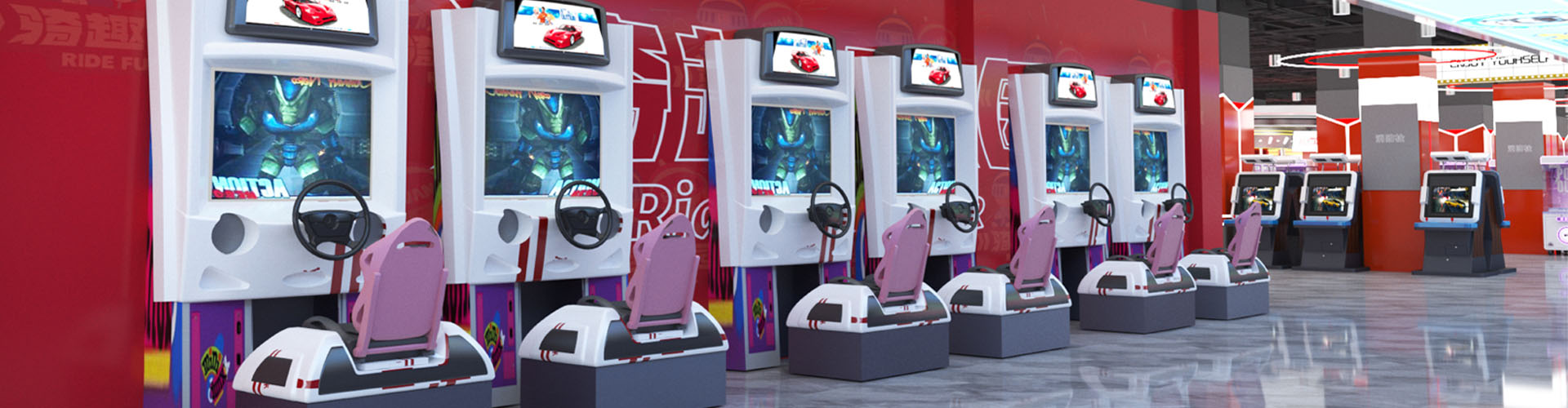
The traditional amusement landscape is undergoing a silent but aggressive transformation driven by spatial computing and tactile feedback.
Modern players no longer seek mere digital distraction; they demand an escape that bridges the gap between physical sensation and virtual depth.
Integrating a high-performance vr arcade machine into a commercial floor is no longer a luxury for tech-forward venues but a necessity.
The industry is moving away from isolated headsets toward comprehensive environments where the cabinet becomes part of the storytelling process itself.
The standalone VR experience often fails in public venues because it lacks the tactile grounding that traditional arcade enthusiasts crave.
A well-designed vr arcade machine acts as a physical anchor, providing the haptic feedback and ergonomic stability required for high-intensity gaming sessions.
Operators are realizing that the interface is just as critical as the software when it involves long-term player retention and satisfaction.
By grounding the virtual experience in a heavy-duty physical frame, venues eliminate the “disconnection” often felt in home-based consumer VR setups.
Square footage is the most expensive asset in any entertainment center, forcing owners to maximize the earning potential of every inch.
A modern virtual reality station occupies a footprint similar to a standard racing cabinet but offers infinitely more diverse content options.
This pivot toward “software-defined hardware” allows operators to refresh their game library without replacing the entire physical unit or structure.
Investing in a versatile vr arcade machine allows a business to pivot between genres, from rhythm-based challenges to competitive multiplayer shooters.
The shift toward immersive tech is essentially a shift toward higher revenue density and better floor space utilization for smart investors.
The bridge between a profitable venture and a maintenance nightmare often lies in the quality of the internal hardware and control systems.
Commercial environments subject electronics to extreme stress, including constant vibration, power fluctuations, and variable ambient temperatures throughout the operating day.
Reliable manufacturers now prioritize independent R&D to ensure that the vr arcade machine control systems remain stable under these harsh conditions.
Stability is the silent engine of profitability, as every minute of downtime directly erodes the return on investment for the venue.
| Feature | Industrial Specification | Operator Value |
|---|---|---|
| Processing Unit | High-performance workstation CPU | Smooth frame rates and no lag |
| Motion Platform | 3DOF or 6DOF electric actuators | Realistic haptic feedback |
| Headset Link | DisplayPort with reinforced tethering | Uninterrupted visual clarity |
| Control System | Proprietary stable firmware | Minimal system crashes |
Selecting the right equipment involves more than just comparing raw specs; it requires an understanding of how players interact with technology.
A vr arcade machine must be intuitive enough for a first-time user while remaining deep enough for the seasoned competitive gaming community.
Forward-thinking suppliers like Muchfun emphasize testing equipment in directly operated stores to ensure that every mechanical component survives real-world abuse.
This methodology ensures that the final product is not just a collection of parts but a tested solution for sustainable profit.
Choosing a partner with a deep manufacturing pedigree ensures access to spare parts and long-term technical support for your entire floor.
How long does a typical VR session last in a commercial setting?
Most successful sessions are calibrated between 5 to 8 minutes to maximize throughput while providing a satisfying narrative or competitive arc.
Is specialized staff required to operate these machines?
Modern units feature user-friendly interfaces that allow players to self-start, though one attendant is recommended for every four to six stations.
Can the hardware be customized to fit a specific venue theme?
Yes, professional manufacturers offer OEM and ODM services, including custom cabinet stickers and unique lighting configurations to match your brand.
What is the expected lifespan of the motion components?
Industrial actuators are designed for thousands of hours of operation, provided that a regular maintenance schedule is followed by the staff.
Building a legacy in the amusement industry requires a commitment to quality and a keen eye for emerging technological trends and patterns.
By strategically deploying a vr arcade machine, you are not just buying a game; you are investing in the future of entertainment.